
EL NIÑO UPDATE 2026-2027
EL NIÑO UPDATE 2026-2027
Newport Beach is Open & Welcoming Visitors
Your real-time guide to El Niño, coastal conditions, tides, and the latest updates to help you make informed decisions about your visit to Newport Beach this winter.
Latest Coastal Conditions & Advisories
As of November 4, 2026, the City of Newport Beach has released a flood advisory for the upcoming high tides. Please view here.
For the latest information on coastal conditions, public safety updates, and any potential impacts, please visit the City of Newport Beach’s official website.
Coastal Conditions to Watch
Upcoming peak high tides may cause localized flooding along portions of Newport Beach’s harborfront and beachfront areas. Visitors are encouraged to avoid areas at risk of flooding.
November 23-27, 2026
December 22-26, 2026
January 20-24, 2027
Current Weather
Check current Newport Beach weather conditions and the upcoming forecast.
Tides & Surf Conditions
Know Before You Go
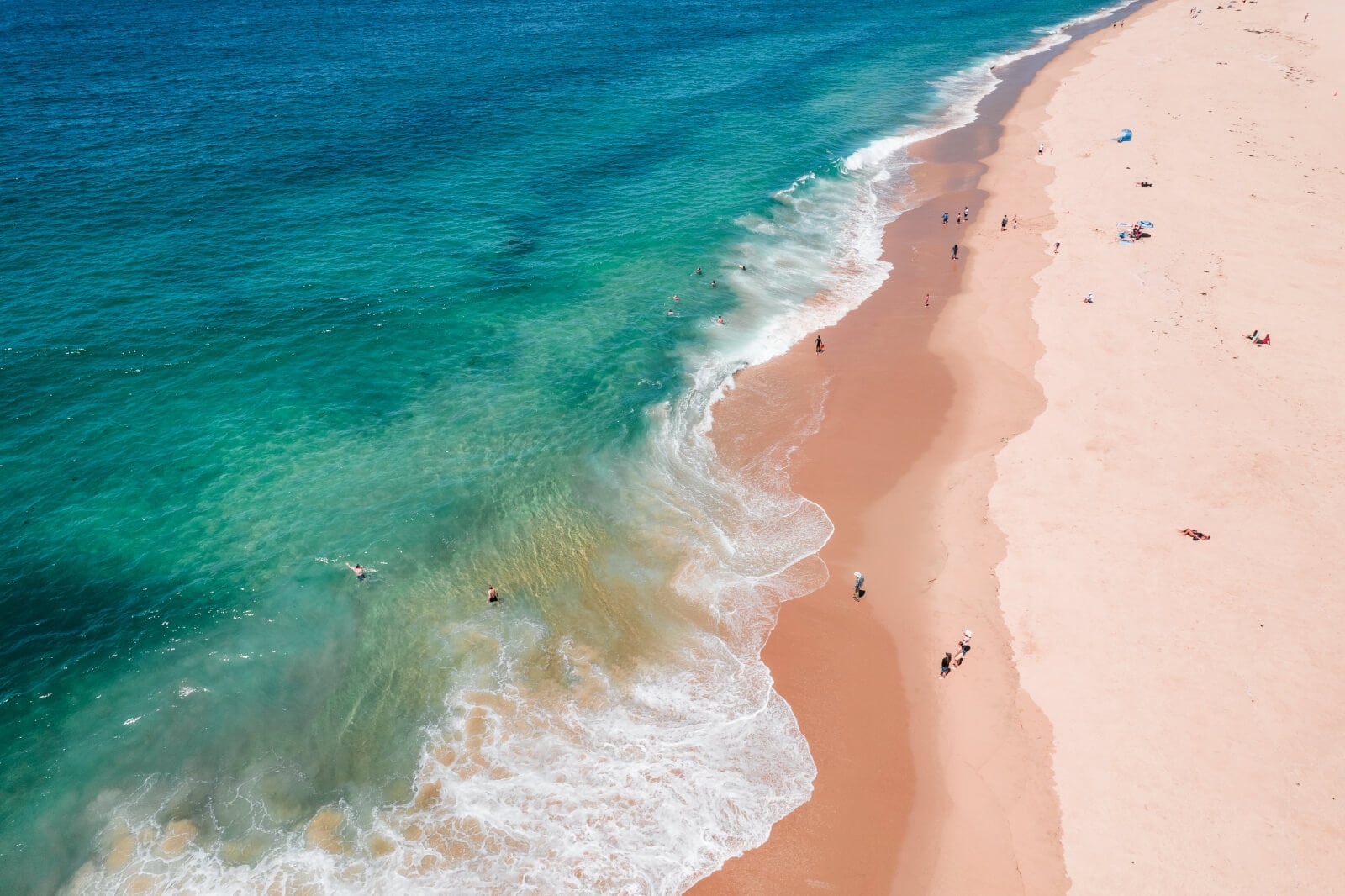
Ocean conditions can change throughout the day and vary from one beach to another. Explore upcoming high and low tides, surf forecasts and swell conditions before heading to the coast. Exercise caution around beachfront and harbor front locations.
VISIT NEWPORT BEACH
Newport Beach Tide Report
Newport Bay Entrance, Corona del Mar
Loading NOAA tide predictions…
Tide predictions provided by
NOAA Tides & Currents
Station 9410580 · Heights referenced to MLLW
Station 9410580 · Heights referenced to MLLW
Understanding El Niño & Coastal Conditions
The Science Behind the Forecast
El Niño is a naturally occurring climate pattern that can influence weather and ocean conditions across the Pacific, including Southern California.
During El Niño, our region may experience an increased likelihood of wetter, stormier weather. Separately, seasonal high tides, Kelvin waves and powerful swells can influence coastal water levels and conditions.
When these natural phenomena overlap, the risk of coastal flooding and erosion can increase in vulnerable beachfront areas.
Understanding these conditions and staying informed about the latest forecasts can help you plan your Newport Beach visit with confidence.

Public Service Announcement
First and foremost, Newport Beach is open and welcoming visitors! Our hotels, restaurants, shops and attractions are ready to welcome you!
As Southern California experiences an unusual combination of ocean and weather conditions, watch to learn key findings.
We’re here to keep you informed all season long! Follow our weekly updates on coastal conditions and advisories so you can stay informed and plan ahead.
Scientific guidance and expertise were provided by Dr. Reinhard E. Flick, Coastal Oceanographer and Research Associate at Scripps Institution of Oceanography, and one of the founders of its Center for Coastal Studies, with support from the California Department of Parks and Recreation (California State Parks) Oceanography Program.
Special thanks to Dr. Mark Merrifield, Professor at Scripps Institution of Oceanography and Director of the Center for Climate Change Impacts and Adaptation.
FAQ
Is Newport Beach open to visitors?
Yes! Newport Beach remains open and welcoming visitors. Hotels, restaurants, shops and experiences throughout the destination continue to operate. Check current advisories for any location-specific restrictions.
Are Newport Beach beaches open?
Yes. Beach access and conditions vary by location. For the latest closures, restrictions and advisories, please refer to official City of Newport Beach updates.
When are the next high tides?
Yes. Beach access and conditions vary by location. For the latest closures, restrictions and advisories, please refer to official City of Newport Beach updates.
Residents and visitors are urged to take the following precautions:
- Stay off the protective sand berms to preserve their structural integrity and effectiveness in protecting nearby homes and infrastructure.
- Keep a safe distance from heavy machinery and active work areas as crews continue reinforcing berms along the coastline.
- Respect all posted closures, including those at Newport Pier, Balboa Pier and the Wedge (rock jetty to M Street).
- Exercise caution near the ocean and follow all posted warnings and directions from City personnel.
10/8 Update: Beach access from the Wedge to M Street will be temporarily closed Monday through Friday as City crews and contractors bring in sand and reinforce protective berms in the area.
What are high tides?
High tides are the highest predicted astronomical tides of the year. When combined with elevated ocean levels or powerful surf, they can increase the risk of coastal flooding.
Does El Niño mean Newport Beach will experience flooding?
Not necessarily. El Niño can influence seasonal weather and ocean conditions, but flooding depends on several factors, including tides, ocean levels, surf and local coastal conditions.
Can coastal conditions change throughout the day?
Yes. Tides, surf and other ocean conditions change throughout the day and can differ significantly between locations. Check current forecasts and advisories before visiting.
Where can I find official coastal advisories?
The City of Newport Beach provides official updates regarding beach access, coastal flooding and public safety. Visit the City’s website for the latest information.
What Can Newport Beach Expect During Peak High Tides?
During periods of unusually high tides, elevated surf, and winter storms, Newport Beach may experience:
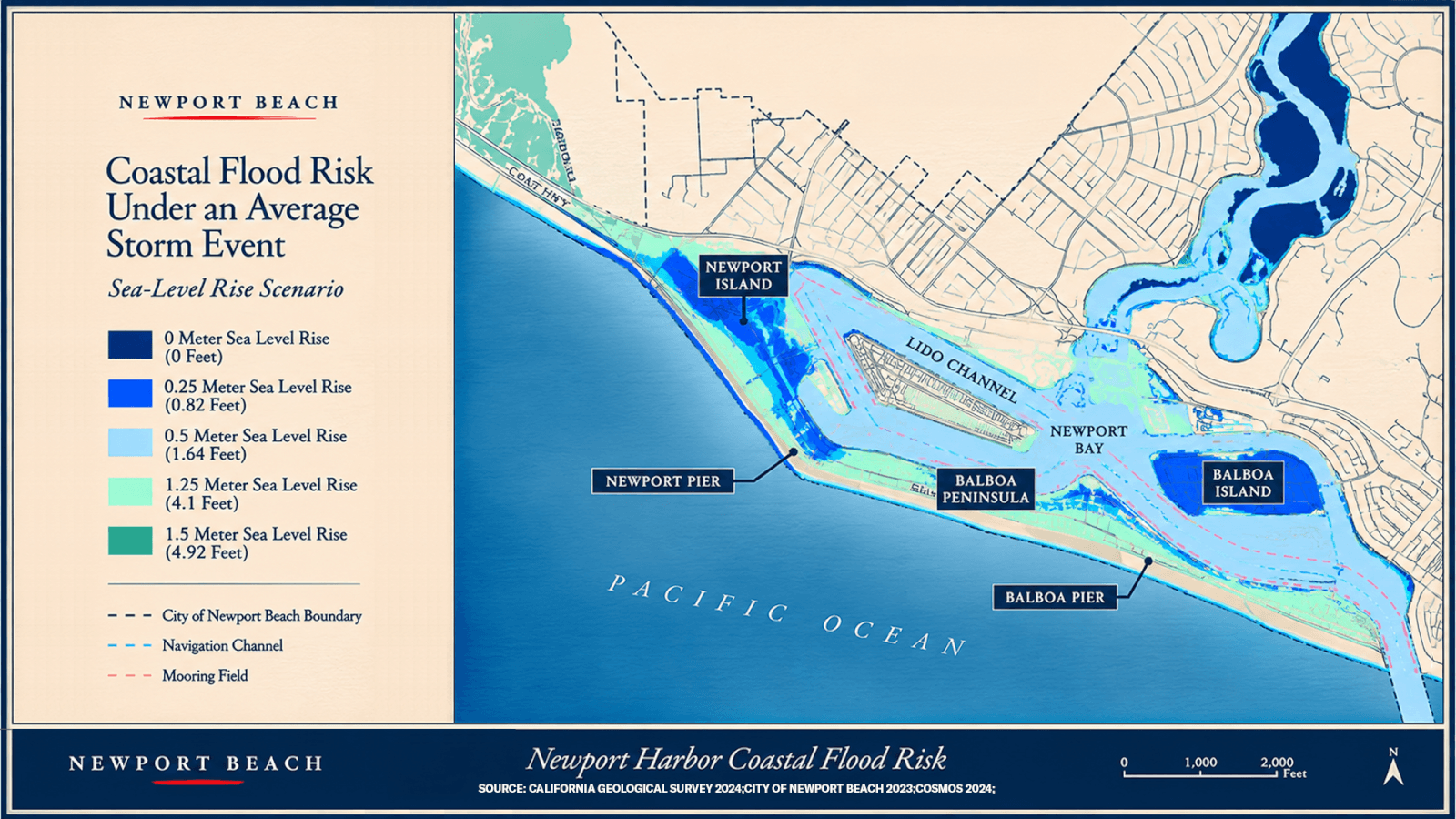
– Coastal Flooding: Elevated water levels may overtop seawalls and affect streets, homes, businesses and low-lying neighborhoods, particularly on Balboa Island, Newport Island, the Balboa Peninsula, in West Newport, along Newport Harbor, in the Finley Tract, and other low-lying areas and neighborhoods.
– Street Flooding: Water may collect on roadways and in parking areas, creating hazardous driving conditions and potentially requiring temporary street closures.
– Beach Erosion: Strong surf and storms can remove sand from beaches and affect public access points and coastal infrastructure.
– Heavy Rainfall: Intense or prolonged rainfall can overwhelm drainage systems and contribute to localized flooding.
– Hazardous Ocean Conditions: Large waves, strong currents, and changing surf conditions can create dangerous conditions for swimmers, surfers and boaters.
The City will continue monitoring forecasts, tides and coastal conditions and provide periodic updates as needed.
The Newport Report
Go beyond the headlines with The Newport Report, our coastal news and educational series exploring current conditions, upcoming forecasts and the science behind what’s happening along the Newport Beach coastline.
Stay tuned for an update every Thursday.